London is one of the largest cities in the world. But it's also one of the most concentrated. How so? This means that London 's tourist attractions are very close to each other. And with an excellent underground and the security to walk around at any time, you can see the best of London in just 3 days. Take a look at this 3-day itinerary in London made by a friend who knows the English capital inside out and doesn't like to miss a single detail on his travels.
Before you go check out London Hotels at http://www.hotels-of-london.com/en/5-stars/

DAY 1 OF THE ITINERARY IN LONDON
Start the day at Westminster tube station. From there you'll see the Houses of Parliament and the famous Big Ben, ready for you to take your first photos of the day. From there, just cross the road and walk to Westminster Abbey, the Anglican church where the UK's kings are crowned.
If it's your first time in London, it's worth paying the £20 to enter the Abbey, where you'll see the Coronation Chair, which is the chair used by crowned monarchs, several tombs of former kings and all the Gothic architecture of the place.
Leaving the Abbey, walk to Buckingham Palace. To get there, take Birdcage Walkthrough St James's Park, which is the oldest Royal Park in London. It's very peaceful and makes for good photos of Buckingham and the London Eye.

It's here in Buckingham that the Queen's famous Changing of the Guard takes place. From April to July, it takes place every day at 11.30am. In other months of the year, it takes place every other day. If you want to see the changing of the guard, get there early to get a good seat!
Depending on the season, you can visit the interior of the palace. But there is a fixed exhibition there, where you can visit the royal stables (The Royal Mews) and see all the carriages and some of the horses bred by the Queen herself, who loves these animals.
From Buckingham, walk along The Mall until you reach Trafalgar Square.
Prince Charles' house and more of the Royal Band
As you walk down The Mall, you'll pass several homes of British monarchs, including the home of Prince Charles, the heir to the British throne. He lives at St James's Palace, which is on Marlborough Road, the second street on the left as you walk down the avenue. There you can see some performances by the Royal Band, which plays slightly more upbeat music, just before they march off for the Changing of the Guard at Buckingham.
Trafalgar Square was built in honour of the British victory at the Battle of Trafalgar and is right in the centre of the city. Here, you'll find lots of Brits rushing to work and tourists taking pictures of the square, which has several fountains and sculptures in honour of Admiral Nelson, who commanded the battle.
The incredible National Gallery
This is where you'll find the first of many museums on your visit to London: the National Gallery. Like many of London's museums, admission is free, but you can contribute any amount. There are several places to deposit a few Pounds. And, amazingly, everyone contributes.
Leaving Trafalgar Square, walk down Whitehall Avenue. This avenue is home to several British government buildings and is therefore considered the administrative centre of the government. You'll pass the Queen's horses at Horseguards (watch out for kicks and bites!) and the entrance to the famous Downing Street (on the right), where the Prime Minister's house is located. This is a closed street that you won't be able to enter. Continue down the avenue and find the Parliament building again. But this time, cross Westminster Bridge to continue onwards.
Cross Westminster Bridge and go to the London Eye. Stroll along the promenade on the south bank of the Thames, between the London Eye and Waterloo Bridge, passing the Southbank Centre, where you can enjoy a snack.
Where Lady Di and Prince Charles got married
After a break on the Southbank, your next destination will be St Paul's Cathedral. To get there, you can walk, but it's a good walk. Another transport option is to take the underground from Embankment station to Blackfriars or St Paul's station.
It was in this cathedral that Charles and Diana's wedding took place. The building is the work of architect Sir Christopher Wren. For a spectacular view of the city, you can climb up to the Cathedral's dome.
Leaving the Cathedral, cross the Millennium Bridge to reach the Tate Modern, one of the city's modern art museums. From the middle of the bridge, you can take many beautiful photos of St Paul's Cathedral.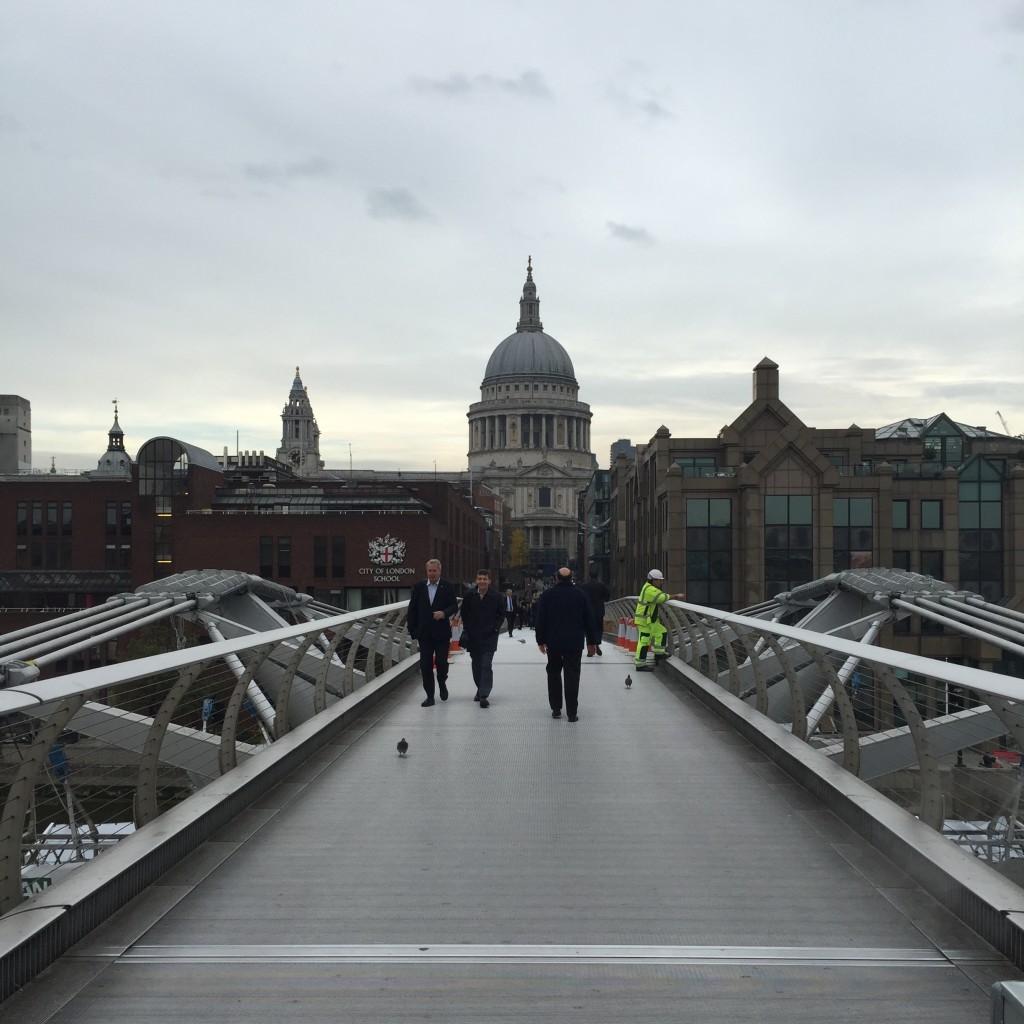
Leaving the Tate Modern, if you go to the right, you can see Shakespeare's Globe, which recreates a Sheakesperian theatre. Opposite the Globe is Bankside Pier, from where ferries leave for Tower Millenium Pier.
Take the boat eastbound to Tower Pier station, which is opposite the Tower of London. Don't worry, the boat trips are included on your Oyster Card (buy it when you arrive at the airport, it's very worthwhile, it's accepted on all public transport in London).
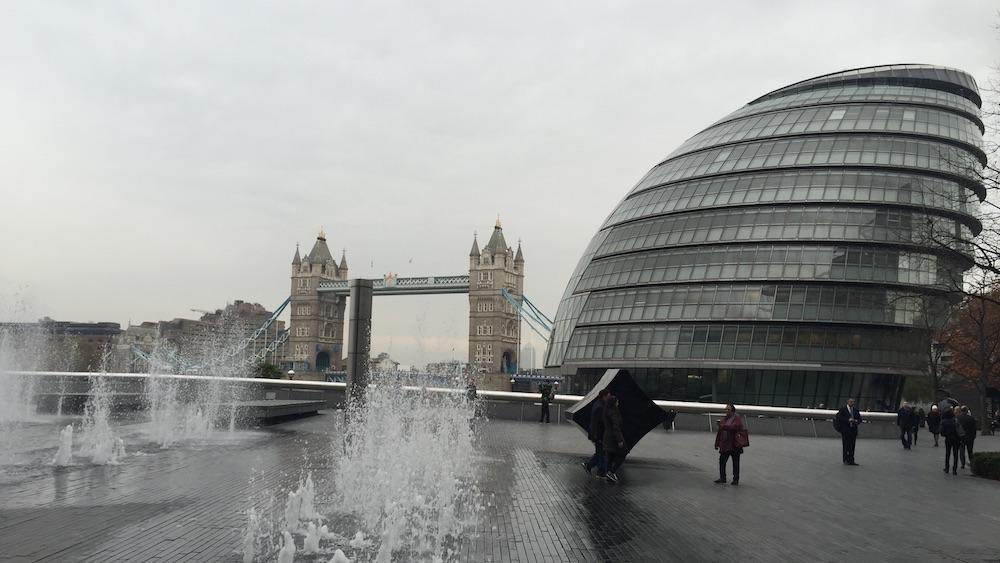
The journey takes less than 10 minutes and on the way you'll see, among other things, the HMS Belfast, a WWII ship that is now a museum open to visitors, a helmet-shaped glass building that is City Hall, London's town hall, and also the city's postcard bridge, Tower Bridge.
If you don't want to go by boat, which is included on the Oyster Card, you can take the underground to Tower Hill station (another tip: when you leave, don't forget to return your card at any of the airport counters. They'll refund you £5).
Inside the Tower of London
You can also take the full tour of Her Majesty's Royal Palace and Fortress at the Tower of London. Or simply Tower of London. A castle that has been an important tourist attraction in London since the 1500s.
First, climb to the top and see how the bridge engines work. And you'll be able to see the exhibition with the jewellery of British royalty and also, believe it or not, the crows that live there and can't be evicted, lest the kingdom fall.
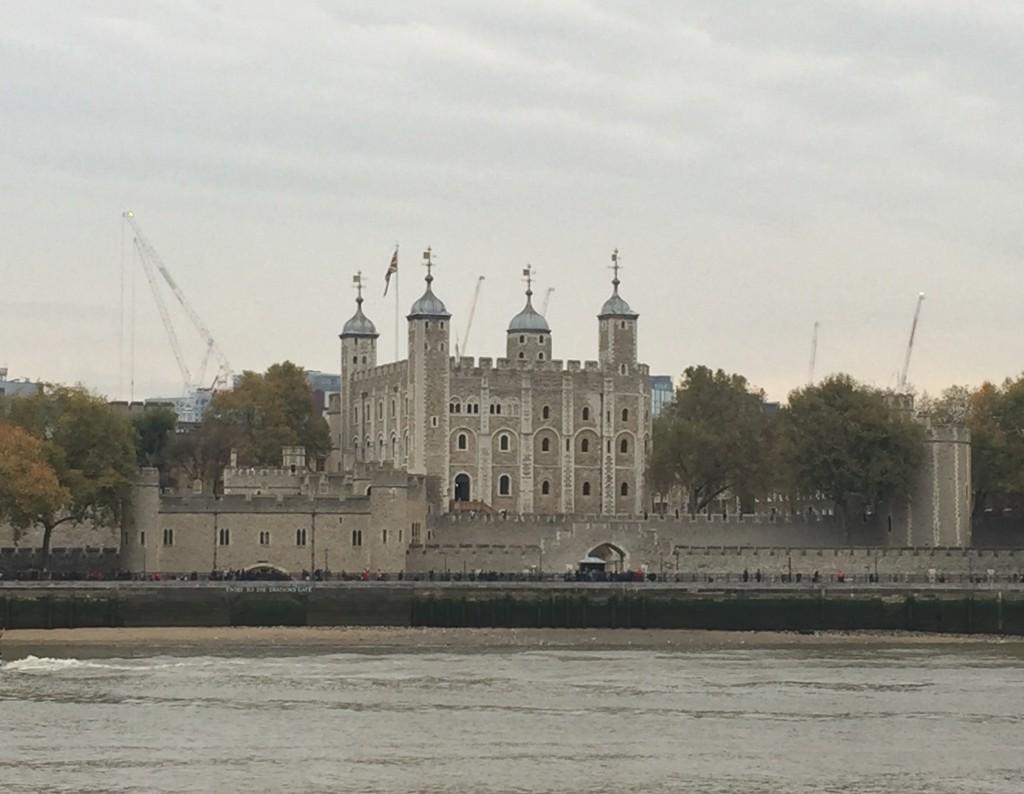
Looking at it this way, the Tower of London doesn't seem to justify being called a "tower", but imagine the grandeur of its 27 metre height in 1066, the year it was inaugurated.
DAY 2 OF THE LONDON ITINERARY
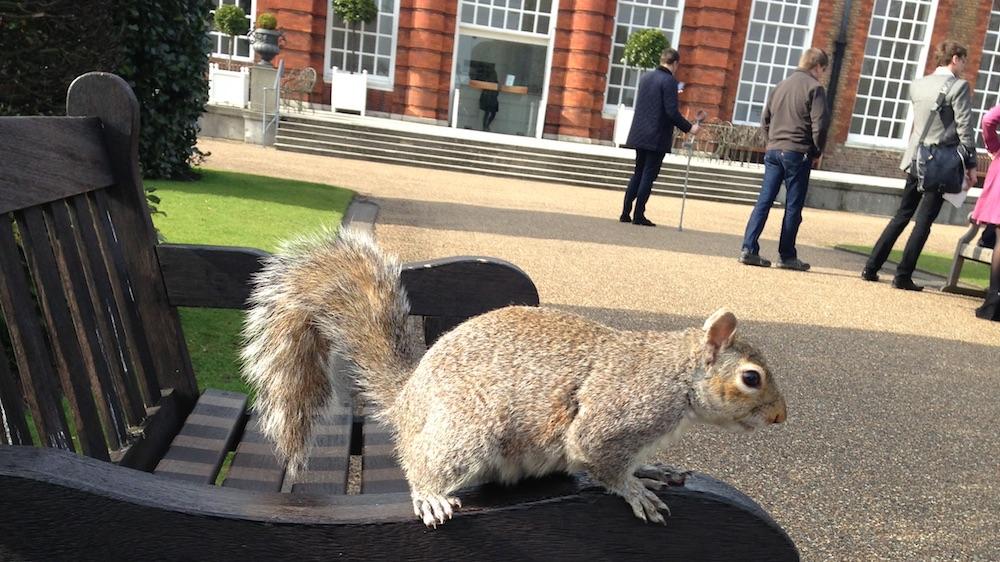
Wake up early and head straight to Kensington Gardens. Getting there is easy, just get off at Queensway tube station. Queensway underground station. Kensington isis nothing more than the western part of Hyde Park. Here in the park you'll also find Kensington Palacewhich is where Prince William lives. Here you can also go for afternoon tea at the Orangerythe Kensington Palace restaurant, but be careful not to be attacked by the squirrels in the park.
Stay in London Hotels in London at tophotels.com
As well as housing part of the Royal Family, the Palace also has a space dedicated to exhibitions. On my last visit to London, there was an exhibition on Queen Victoria (Elizabeth II's great-great-grandmother, and the second longest-serving monarch in the UK) and today there is a collection of photographs by Mario Testino of Princess Diana.
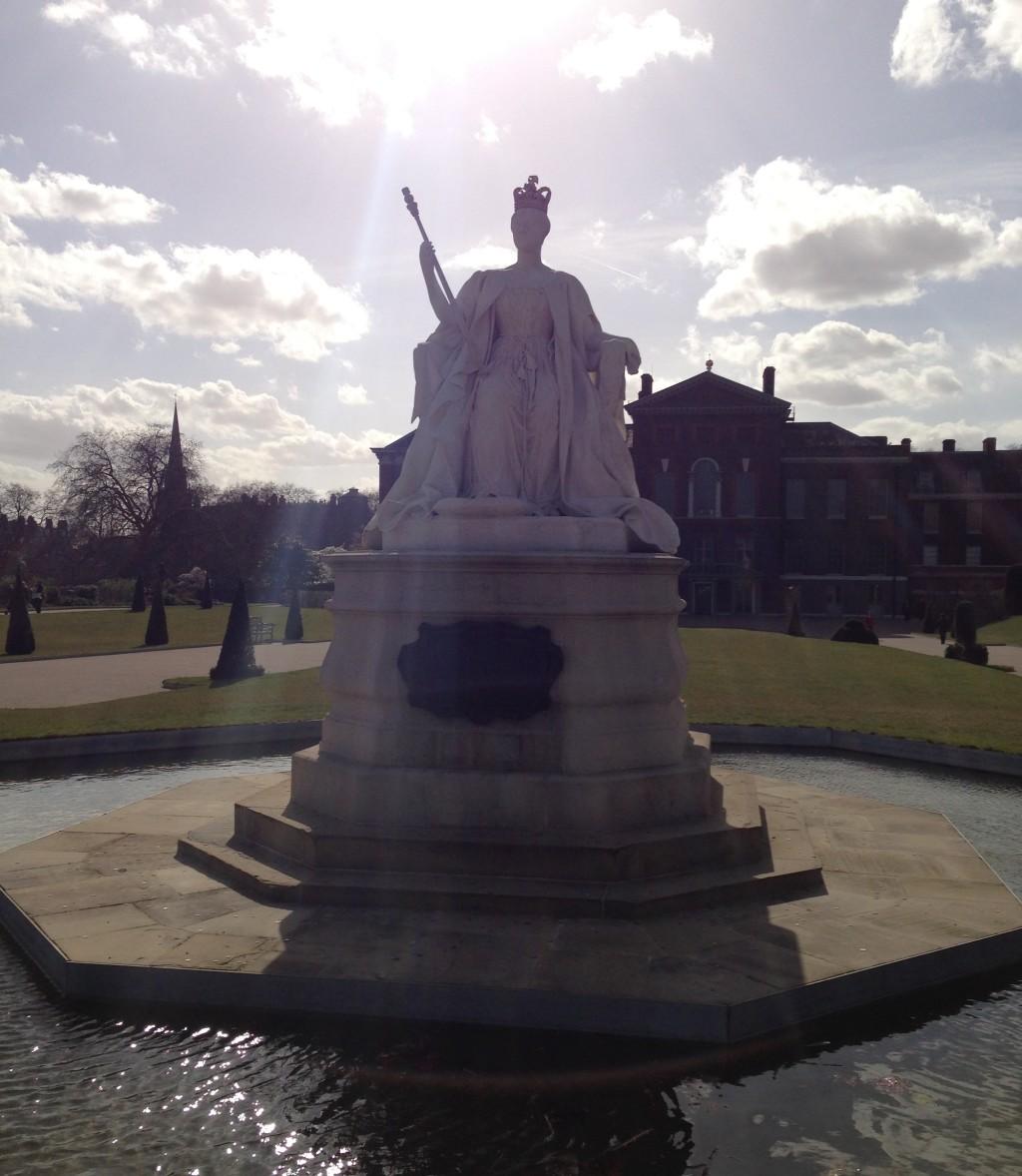
Leaving the Palace, walk through the park to the Albert Memorialwhich is just opposite the Royal Albert Hall. These are two monuments erected in honour of Prince Albert, Queen Victoria's husband. At the Royal Albert Hall, a giant concert hall, you can see many international attractions. To check out the current performances, visit the hall's official website.

From there, you can take a stroll through Hyde Park.
Two giants: Harrods department stores' and the British Museum
During the walk, you'll be in the Knightsbridgeand Brompton Roada street dedicated to shopping in London, and where you'll find Harrodsa gigantic English department stores' that for many years served the Royal Family, and a multitude of brands, clothes, gifts and toys.
If you've been to Harrods, you can take the tube right in front of the shop, or if you prefer to walk to the end of Hyde Park, you can take another tube station and go to the British Museumat Holborn station.
This is a monumental museum in London, and it's best to focus on its highlights if you don't want to spend ages here. Among the highlights here is the Rosetta Stone, from which you can learn a lot about Egyptian writing.

Leaving the museum, continue walking along Shaftesbury Ave.an avenue with many theatres and cinemas, and turn onto Monmouth St. You'll be in Covent Gardenand you will arrive at Seven Dials. As well as being the meeting point of seven streets, Seven Dials is also an area known for its cool shops, thrift shops, bars and restaurants.
Cinema, chocolate and tourist traffic
After seeing the Seven Dials, continue along Monmouth Street, Upper St Martin's lane and turn right into Cranbourn Street. Cross Charing Cross Road and continue until you reach Leicester Squarea square with the city's largest cinemas, where the big London film pre-releases take place. In this area, you'll also find the M&M's M&M's Worldone of the few we have in the world. It's worth spending a few quid on chocolate.

Return to the other side of the square and take the little street on the right, Swiss Court, cross Whitcomb Street and continue on Coventry St. which will take you directly to Piccadilly Circus.
Piccadilly Circus is home to some of the city's most important avenues: Shaftesbury Av., Regent St,Piccadilly. It's a busy part of town, but if you're lucky you can find a place to sit and rest at the statue of Eros and take some photos of the electronic signs and the hustle and bustle of tourists mingling with the locals.
Gastronomy and more shops
From Piccadilly Circus, there are several routes to take, all very interesting. To go straight, follow Regent's Street to the junction with Oxford Street, known as Oxford Circus. To wander round the city's finest shops. This is where you'll find the chicest shops in town, all of which you can walk into and walk out with full bags.
The streets are very busy. Among all the shops here are Hamleysthe oldest and largest toy shop in the world, which has been at the same address since 1881. It has several floors full of toys. In the same area, we have Carnaby Sta small street with lots of nice restaurants and shops to visit, which is decorated on many occasions of the year. It's a good place to try some of England's best traditional food. It's well worth making a stop here on your 3-day London itinerary.
Go ahead with this exclusive London itinerary
Keep following this saga full of sights, curiosities, gastronomy and tips for making the most of a 3-day itinerary in London:
DAY 3 OF THE ITINERARY IN LONDON
On our third and final day in London, we're going to get away from the hustle and bustle of the centre of the English capital. To do so, we'll start the day in Greenwich Park. There are two ways to get there.
Take the underground to Greenwich station.
Take a boat eastbound from any pier in the City and get off at Greenwich Pier.
Although it takes longer, I recommend taking the boat, as you'll be able to see several postcard views of the city skyline, such as the Tower of London, Tower Bridge, City Hall, The Shard and many others until you arrive at the station near the park.
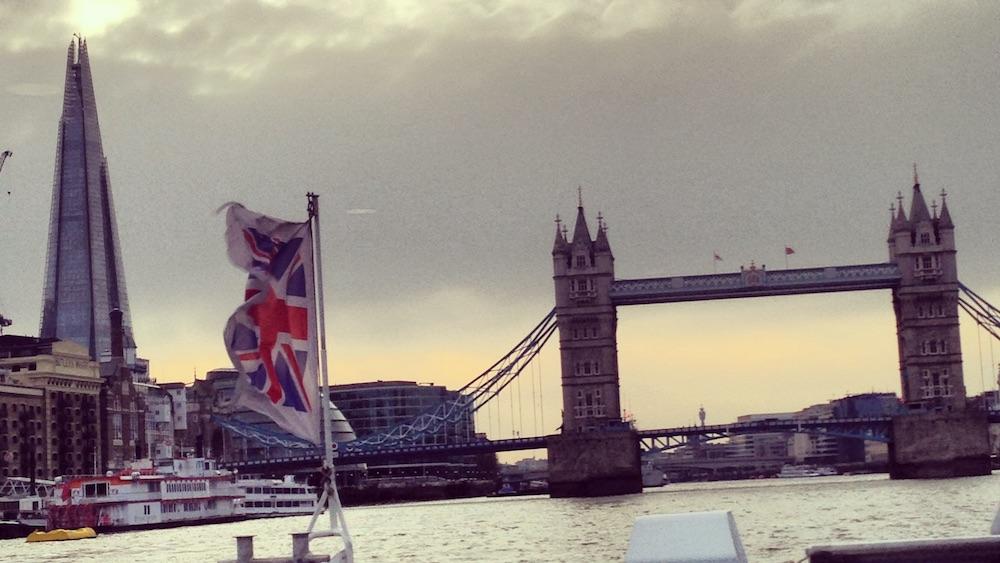
The park is one of the largest royal parks and it crosses the Greenwich meridian, the line that divides the planet between east and west and is the basis for time zone differences around the world.
That's why, at the top of the park, we have the Greenwich Observatory, which was built for astronomical studies and is exactly where the 0 meridian crosses.
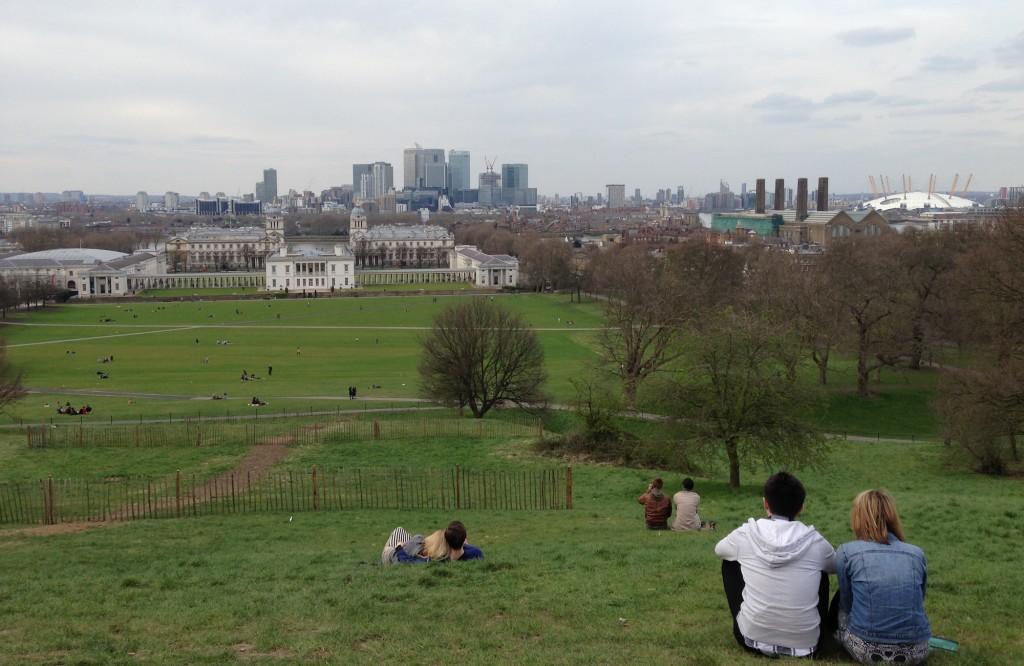
Leaving Greenwich and heading north, you'll come to the O2 Arena. A multi-purpose arena in London, and one of the largest in the world, where many of the capital's concerts and other sporting events take place.
Exploring the giant Canary Wharf complex
To get there, take bus 188, which will drop you off right outside the arena, where you can take beautiful photos of the reindeer and the buildings that make up Canary Wharf.our next destination.
This is where you'll see the Emirates cable cars. If you like, you can hop on and take a ride to enjoy the scenery.
If you're a big beer lover (like me) and you're visiting this area, you can't miss the MeantimeFactory . Meantimeone of the best craft beers I've ever had. I recommend you stop by and try some of the special labels sold exclusively on site.
How to get to the Meantime Factory: on the same 188 bus, which passes right in front of the factory and the pub they have there.
Returning to our itinerary, to get to Canary Wharf you have to take the underground and walk just one station to the station of the same name.
This area is an important commercial hub in the city, home to numerous office blocks and where you'll see many British people hurrying to their appointments. This area is home to some of the buildings that have held the title of the largest buildings in the UK for some time.
Enjoy a meal here and then head to our next destination...
Queen Elizabeth Olympic Park
To get there, simply take the underground, on the same Jubilee line, to Stratford International station.
The Olympic Park, built for the 2012 Olympics, was intended to develop this area of the city, which had previously been forgotten by the population. It was named in honour of the diamond jubilee of Queen Elizabeth II, who celebrated her 60th coronation in 2012.